7 Mistakes to Avoid When Constructing Metal Combo Building Units
Metal combo building units continue growing in popularity across states like Texas, Florida, Georgia, Tennessee, Colorado, Pennsylvania, Wisconsin, Oklahoma, and many others because of their versatility, durability, and long-term value. Whether used for storage, workshops, vehicle protection, agricultural operations, or recreational spaces, combo buildings offer flexible solutions for a wide range of property needs.
However, constructing a high-quality metal combo building requires careful planning and proper installation. Avoiding common construction mistakes can help ensure your building remains durable, efficient, and reliable for years to come.
Common Mistakes to Avoid During Metal Combo Building Construction
Here are seven important mistakes property owners should avoid when constructing metal combo building units.
1. Inadequate Waterproofing
Moisture is one of the biggest threats to any metal structure. Without proper waterproofing, water infiltration can lead to:
- Rust and corrosion
- Structural deterioration
- Mold and mildew
- Interior damage
- Expensive long-term repairs
Quality waterproofing systems help protect your building against rain, humidity, and moisture exposure while preserving structural integrity over time.
This is especially important for buildings located in humid or high-rainfall states like Florida, Georgia, Louisiana, and Tennessee.
2. Improper Fastener Installation
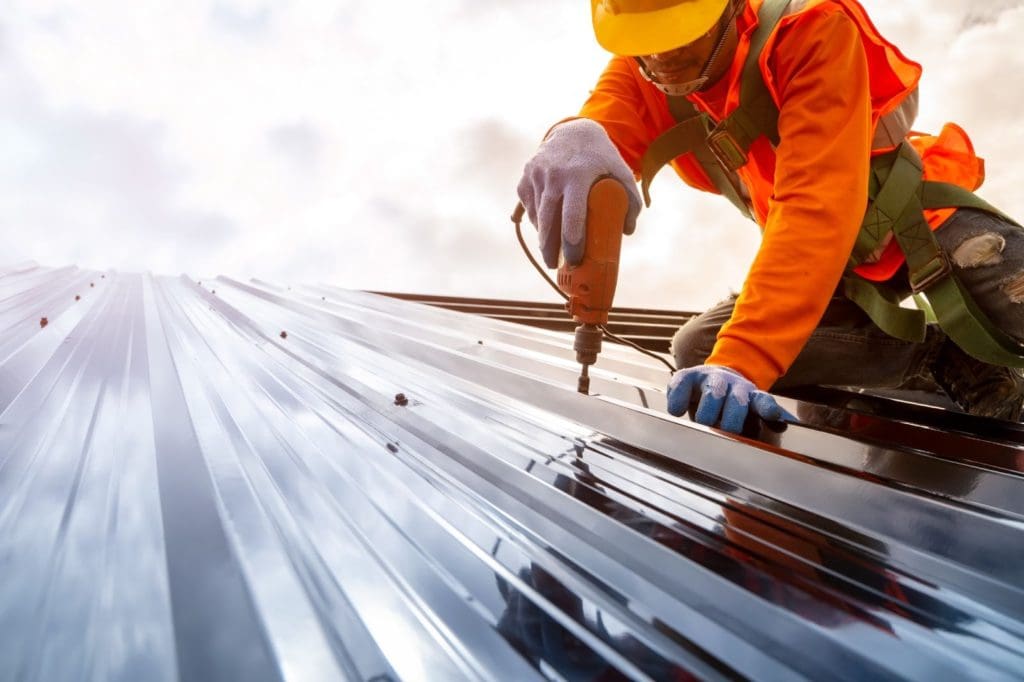
Fasteners play a critical role in securing roof panels, wall panels, framing systems, and other structural components. Incorrect installation or using the wrong type of fasteners can compromise the building’s overall stability and safety.
Common fastener issues include:
- Loose connections
- Incorrect spacing
- Improper sealing
- Weak attachment points
Professional installation helps ensure all components are properly secured for long-term structural performance.
3. Ignoring Insulation Requirements
Insulation is essential for maintaining indoor comfort, improving energy efficiency, and controlling moisture inside metal combo buildings.
Without proper insulation, buildings may experience:
- Excessive heat buildup
- Condensation problems
- Higher energy costs
- Indoor discomfort
- Moisture-related damage
Popular insulation options include:
- Spray foam insulation
- Fiberglass insulation
- Reflective insulation systems
Proper insulation is especially valuable in climates with temperature extremes such as Texas, Arizona, Colorado, Pennsylvania, and Wisconsin.
4. Failing to Use Galvanized Protection
Galvanization helps protect steel components from rust and corrosion by applying a protective zinc coating to metal surfaces. Failing to incorporate galvanized materials can expose your building to long-term environmental damage caused by moisture and weather exposure.
Galvanized steel provides additional durability in:
- Coastal climates
- Humid environments
- High-rainfall regions
- Areas with changing seasonal weather
This added protection helps extend the lifespan of the structure while reducing maintenance concerns.
5. Poor Drainage Planning
A poorly designed drainage system can create serious moisture-related issues around the building foundation and surrounding property. Water buildup can contribute to:
- Foundation problems
- Soil erosion
- Corrosion
- Moisture infiltration
- Structural instability
Proper drainage planning should include:
- Site grading
- Gutters and downspouts
- Water runoff management
- Foundation drainage systems
These solutions help direct water safely away from the building.
6. Choosing the Wrong Size or Layout
Selecting the wrong building size or layout is one of the most common mistakes property owners make. A building that is too small may limit future use, while poor layout planning can reduce overall functionality.
Before construction begins, it’s important to consider:
- Current storage needs
- Future expansion plans
- Equipment dimensions
- Vehicle clearance
- Workspace requirements
- Property layout
Many property owners choose slightly larger structures to allow flexibility for future growth and changing needs.
7. Selecting the Wrong Metal Type
Not all metal materials are the same. Choosing the wrong metal type for your project can impact durability, maintenance, corrosion resistance, and long-term performance.
Common material options may include:
- Galvanized steel
- Aluminum
- Zinc-coated materials
- Heavy-gauge steel systems
The right material depends on:
- Building purpose
- Climate conditions
- Budget goals
- Long-term maintenance expectations
Professional guidance can help ensure the best material selection for your specific project.
Why Proper Planning Matters
A properly designed and installed metal combo building offers several long-term benefits including:
- Improved durability
- Better weather protection
- Reduced maintenance costs
- Greater energy efficiency
- Increased property value
- Long-term structural reliability
Avoiding common construction mistakes helps maximize these advantages while protecting your investment for years to come.
Final Thoughts
Metal combo building units provide flexible, durable, and cost-effective solutions for residential, commercial, agricultural, and recreational applications. Property owners across Texas, Florida, Georgia, Tennessee, Colorado, Pennsylvania, Wisconsin, Oklahoma, and many other states continue investing in custom combo buildings for long-term functionality and value.
By avoiding common construction mistakes and working with experienced professionals, you can ensure your metal combo building performs efficiently and remains structurally reliable for years to come.
Taylor Buildings proudly provides customizable combo building solutions designed for long-term durability and dependable performance across the many states we serve.
Contact Taylor Buildings today to learn more about our combo building options and start planning the right structure for your property needs.