8 Essential Galvanized Building Design Maintenance Tips for Longevity
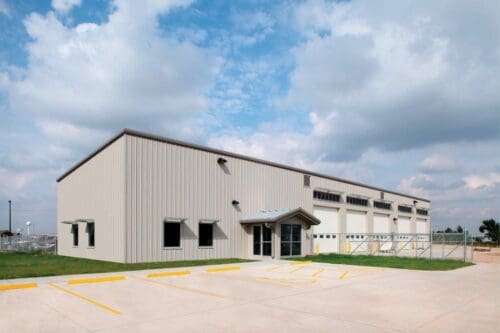
Galvanized steel buildings continue growing in popularity across states like Texas, Florida, Georgia, Tennessee, Colorado, Pennsylvania, Wisconsin, Arizona, and many others because of their durability, versatility, and long-term value. From residential garages and workshops to commercial facilities, barns, and industrial buildings, galvanized structures are designed to withstand demanding environmental conditions for many years.
However, maintaining the appearance and structural integrity of a galvanized building still requires regular care and preventative maintenance. Proper upkeep helps preserve durability, reduce repair costs, and maximize the lifespan of your investment.
Important Maintenance Tips for Galvanized Buildings
Here are eight essential maintenance practices property owners should follow to help keep galvanized steel buildings performing at their best.
1. Schedule Regular Inspections
Routine inspections are one of the most important parts of maintaining a galvanized building. Property owners should periodically inspect the entire structure while paying close attention to:
- Joints and seams
- Corners and fasteners
- Roof panels
- Areas exposed to moisture
- Foundation connections
Regular inspections help identify small issues early before they become larger and more expensive structural problems.
2. Keep the Building Clean
Dirt, dust, debris, moisture, and environmental contaminants can gradually impact the appearance and performance of galvanized steel surfaces over time.
Cleaning your building regularly helps:
- Preserve the galvanized coating
- Maintain curb appeal
- Prevent buildup-related damage
- Improve long-term durability
When cleaning galvanized steel:
- Use mild detergents
- Avoid abrasive materials
- Avoid harsh chemicals
- Use soft brushes or low-pressure water
Gentle cleaning helps protect the zinc coating while maintaining the structure’s appearance.
3. Address Rust Immediately
Although galvanized steel is highly resistant to corrosion, rust can still occasionally develop if the protective coating becomes damaged or compromised.
If rust appears:
- Remove it carefully
- Avoid damaging surrounding coatings
- Apply zinc-rich primers or galvanized touch-up paint
- Seal exposed areas promptly
Quick repairs help prevent corrosion from spreading and preserve the integrity of the structure.
4. Maintain the Roofing System
The roof is one of the most important protective components of any metal building. Regular roof maintenance helps protect the building interior from:
- Moisture infiltration
- Leaks
- Structural deterioration
- Pest intrusion
Inspect roofing systems for:
- Loose fasteners
- Damaged panels
- Worn sealants
- Signs of leaks
- Debris buildup
Replacing damaged roofing components early can significantly extend the lifespan of the building.
5. Prevent Galvanic Corrosion
Galvanic corrosion can occur when galvanized steel comes into contact with incompatible metals in the presence of moisture. This type of corrosion can weaken building components over time.
To help prevent galvanic corrosion:
- Use compatible materials
- Install protective barriers
- Separate dissimilar metals when possible
- Replace damaged components promptly
Professional installation and proper material selection help minimize these risks.
6. Control Moisture Around the Structure
Moisture management is essential for preserving galvanized steel buildings across humid and high-rainfall states like Florida, Georgia, Louisiana, and Tennessee.
Effective moisture control strategies may include:
- Proper drainage systems
- Gutters and downspouts
- Site grading
- Vapor barriers
- Foundation drainage solutions
Reducing standing water and excess moisture exposure helps protect both the structure and surrounding foundation areas.
7. Seal Welded Joints & Connections
Welded joints and seams can become vulnerable to moisture infiltration over time if not properly sealed and maintained.
Applying protective sealants and coatings to welded areas helps:
- Prevent water intrusion
- Reduce corrosion risks
- Improve structural longevity
- Protect exposed steel surfaces
Routine inspection of sealed areas helps ensure ongoing protection.
8. Maintain Proper Landscape Grading
The surrounding landscape can significantly impact the long-term performance of a galvanized building. Poor drainage or improper grading can allow water to collect around the structure, increasing the risk of corrosion and foundation issues.
Proper grading helps:
- Direct water away from the building
- Reduce soil erosion
- Prevent standing water
- Protect structural components
This is especially important in regions prone to heavy rainfall or seasonal storms.
Why Preventative Maintenance Matters
Routine maintenance provides several important long-term benefits including:
- Extended building lifespan
- Reduced repair costs
- Improved structural safety
- Better weather resistance
- Enhanced appearance
- Greater long-term property value
Property owners across Texas, Florida, Colorado, Pennsylvania, Tennessee, Wisconsin, and many other states continue relying on preventative maintenance to protect their galvanized steel investments.
Final Thoughts
Galvanized steel buildings are designed for exceptional durability and long-term performance, but routine maintenance remains essential for preserving their strength, appearance, and reliability. By staying proactive and addressing small issues early, property owners can help ensure their buildings remain protected for many years.
Taylor Buildings proudly provides customizable galvanized steel building solutions designed for long-term durability and dependable performance across the many states we serve.
Contact Taylor Buildings today to learn more about our galvanized building options and discover solutions built to stand the test of time.