8 Ways to Keep Your Commercial Metal Buildings Cool During the Summer Heat
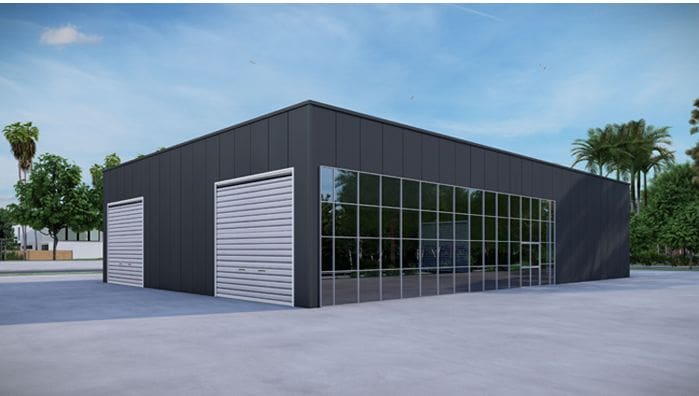
Commercial metal buildings across states like Texas, Florida, Georgia, Tennessee, Arizona, Colorado, Oklahoma, and many others are built to withstand demanding weather conditions. However, maintaining a comfortable indoor temperature during extreme summer heat is still an important priority for property owners, businesses, agricultural operations, and industrial facilities.
High temperatures can impact employee comfort, equipment performance, energy costs, and overall building efficiency. Fortunately, there are several effective ways to help keep your commercial metal building cooler and more energy-efficient during the hottest months of the year.
Effective Ways to Keep Commercial Metal Buildings Cool
Here are eight practical ways to reduce heat buildup and improve indoor comfort inside your commercial metal building.
1. Install Cool Roof Coatings
Your roof serves as the building’s first line of defense against harsh weather and direct sunlight. Cool roof coatings such as elastomeric or reflective acrylic coatings help reduce heat absorption by reflecting sunlight away from the structure.
Benefits of cool roof coatings include:
- Lower indoor temperatures
- Reduced HVAC strain
- Improved energy efficiency
- Extended roof lifespan
- Reduced maintenance needs
These coatings are especially valuable in hot climates like Texas, Arizona, Florida, and New Mexico where sun exposure remains intense throughout much of the year.
2. Upgrade to Energy-Efficient Windows & Doors
Windows and doors play a major role in indoor temperature control. Poorly sealed openings allow heat and air infiltration that can reduce overall energy efficiency.
Energy-efficient windows and doors help reduce:
- Heat transfer
- UV exposure
- Air leaks
- Cooling system strain
Features such as low-E glass coatings, double-pane windows, insulated doors, and proper weather sealing can significantly improve indoor comfort while lowering utility costs.
Adding blinds or shades can also help control sunlight during peak heat hours.
3. Improve Ventilation Systems
Proper ventilation helps remove trapped heat while improving airflow throughout the building. Natural ventilation systems such as ridge vents, louvers, and roof vents allow hot air to escape while drawing cooler air inside.
Additional mechanical ventilation systems may include:
- Exhaust fans
- Industrial fans
- Evaporative coolers
- Air circulation systems
Proper airflow becomes especially important for warehouses, workshops, agricultural facilities, and industrial operations.
4. Invest in Quality Insulation
Insulation remains one of the most effective ways to regulate indoor temperatures year-round. High-quality insulation helps prevent excessive heat transfer into the building while improving overall energy efficiency.
Popular insulation options include:
- Spray foam insulation
- Fiberglass insulation
- Reflective insulation
- Insulated metal panels
Proper insulation also helps reduce condensation and moisture buildup inside steel structures.
5. Use Thermal Insulating Paint
Thermal insulating paints contain reflective materials and ceramic particles designed to help reduce heat absorption. When applied to exterior surfaces, these coatings help reflect solar heat away from the building.
Benefits may include:
- Lower interior temperatures
- Reduced cooling costs
- Improved energy efficiency
- Enhanced UV protection
These coatings are especially beneficial for buildings located in high-heat regions with strong sun exposure.
6. Add Exterior Shading Systems
Exterior shading systems help block direct sunlight before heat enters the building. Popular shading solutions include:
- Awnings
- Pergolas
- Shade sails
- Covered walkways
- Extended roof overhangs
Strategically placed shading systems can significantly reduce indoor heat gain while also improving the building’s appearance and outdoor usability.
7. Upgrade to Energy-Efficient Lighting
Traditional lighting systems can generate unnecessary heat inside commercial buildings. Upgrading to energy-efficient LED lighting helps reduce both heat output and electricity usage.
LED lighting offers several advantages including:
- Lower energy consumption
- Reduced cooling demands
- Longer lifespan
- Improved lighting quality
This simple upgrade can help create a cooler and more efficient indoor environment.
8. Use Landscaping for Natural Cooling
Strategic landscaping can naturally reduce surrounding temperatures and improve shade around the building. Trees, shrubs, and vegetation help block direct sunlight while improving airflow and reducing heat buildup near exterior walls.
Landscaping can also:
- Improve curb appeal
- Create shaded outdoor areas
- Support energy efficiency
- Enhance overall property appearance
Properties across states like Florida, Georgia, Tennessee, and Texas often benefit from thoughtful shade landscaping around commercial buildings.
Why Temperature Control Matters
Keeping your commercial metal building cool provides several long-term advantages including:
- Lower energy costs
- Improved indoor comfort
- Better equipment protection
- Reduced HVAC wear
- Enhanced workplace productivity
- Improved long-term building performance
Proper heat management also helps preserve insulation systems, roofing materials, and interior building components.
Final Thoughts
Keeping a commercial metal building cool during summer heat requires a combination of insulation, ventilation, energy-efficient upgrades, and smart design strategies. Businesses and property owners across Texas, Florida, Georgia, Arizona, Colorado, Tennessee, and many other states continue investing in modern cooling solutions to improve comfort and reduce long-term operating costs.
Taylor Buildings proudly provides customizable commercial metal building solutions designed for durability, energy efficiency, and long-term performance across the many states we serve.
Contact Taylor Buildings today to learn more about our customizable commercial metal building options and discover solutions built for your climate and operational needs.