Insulating a Steel Building Structure: A Comprehensive Guide
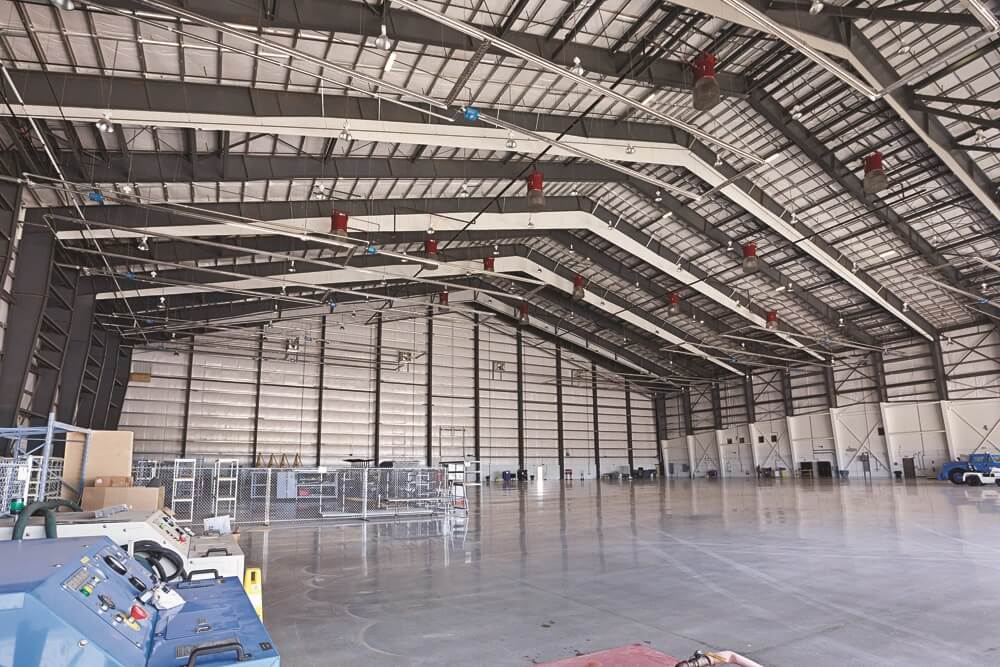
Steel building structures continue growing in popularity across states like Texas, Florida, Georgia, Tennessee, Colorado, Pennsylvania, Wisconsin, Arizona, and many others because of their durability, flexibility, and long-term value. However, proper insulation plays a major role in ensuring these buildings remain energy-efficient, comfortable, and protected from environmental damage throughout changing weather conditions.
Whether you are constructing a commercial facility, workshop, warehouse, agricultural building, or residential structure, investing in the right insulation system helps improve performance while extending the life of your steel building.
Why Insulation Matters for Steel Buildings
Steel buildings are exposed to a wide range of environmental conditions depending on location. From intense heat and humidity in Florida and Texas to freezing temperatures and snow in Pennsylvania and Colorado, proper insulation helps regulate indoor temperatures while protecting the structure itself.
Here are some of the biggest benefits of insulating a steel building structure.
1. Protection Against Moisture & Condensation
Moisture is one of the biggest threats to steel buildings. Without proper insulation, condensation can form on metal surfaces, potentially leading to:
- Rust and corrosion
- Mold and mildew growth
- Structural deterioration
- Moisture-related damage
Quality insulation systems help create a barrier that reduces condensation while protecting the long-term integrity of the structure.
2. Improved Noise Reduction
Steel structures can naturally amplify sound because of their hard surfaces and open interiors. Insulation helps absorb and reduce noise, creating a quieter and more comfortable environment for:
- Commercial operations
- Workshops
- Warehouses
- Residential spaces
- Agricultural buildings
3. Better Energy Efficiency
Proper insulation helps regulate indoor temperatures by reducing heat transfer through the building envelope. This helps:
- Keep interiors cooler during hot weather
- Retain warmth during colder months
- Reduce HVAC workload
- Lower energy consumption
- Decrease utility costs
This energy efficiency is especially valuable in states with major seasonal temperature changes such as Texas, Tennessee, Colorado, Pennsylvania, and Wisconsin.
Common Types of Steel Building Insulation
Different insulation systems offer unique benefits depending on climate conditions, building type, and performance goals.
Fiberglass Insulation
Fiberglass insulation remains one of the most commonly used insulation options for steel buildings. Made from fine glass fibers, it offers dependable thermal resistance and is available in:
- Rolls
- Batts
- Blown-in systems
Fiberglass insulation works well for many residential, commercial, and industrial steel building applications.
Spray Foam Insulation
Spray foam insulation provides excellent sealing capabilities and strong thermal performance. It expands to fill gaps and hard-to-reach areas, creating an effective moisture and air barrier.
Spray foam insulation is especially beneficial for:
- Extreme climates
- Energy-efficient buildings
- Moisture control
- Temperature-sensitive environments
Reflective Insulation
Reflective insulation systems use radiant barriers to help deflect heat away from the building interior. This option is particularly useful in warmer climates such as Texas, Arizona, Florida, and other high-heat regions.
Rigid Board Insulation
Rigid board insulation offers durability, moisture resistance, and dependable thermal protection. It is often used in steel buildings where additional moisture control and structural support are important considerations.
Where Insulation Should Be Installed
Proper insulation placement is critical for maximizing efficiency, comfort, and building protection.
Roof Insulation
The roof serves as the building’s primary defense against heat, rain, snow, and environmental exposure. Roof insulation helps:
- Regulate indoor temperatures
- Reduce heat transfer
- Prevent condensation
- Improve energy efficiency
This is especially important in regions with intense sun exposure or seasonal weather changes.
Wall Insulation
Wall insulation helps reduce temperature fluctuations while improving indoor comfort and energy performance. Proper wall insulation can also help reduce sound transfer within the building.
Floor Insulation
Buildings with concrete floors may benefit from insulation installed beneath the slab to reduce heat loss and improve indoor comfort during colder seasons.
Doors & Windows
Doors and windows are common areas where air leaks can occur. Proper insulation and sealing around these openings help improve overall energy efficiency while reducing unwanted airflow.
Why Professional Installation Matters
Professional insulation contractors can help determine the best insulation system based on:
- Climate conditions
- Building usage
- Energy goals
- Moisture concerns
- Budget considerations
Experienced professionals also ensure insulation is installed properly for maximum performance and long-term reliability.
Final Thoughts
Insulating a steel building structure is one of the most important steps in improving comfort, energy efficiency, moisture protection, and long-term durability. Property owners across Texas, Florida, Colorado, Pennsylvania, Tennessee, Wisconsin, Georgia, and many other states continue investing in properly insulated steel buildings to maximize performance and long-term value.
Taylor Buildings proudly provides customizable steel building solutions designed to support long-lasting durability and efficient performance across the many states we serve.
Contact Taylor Buildings today to learn more about our insulated steel building options and discover the right solution for your project.