8 Questions to Ask Before Choosing RV Cover Services
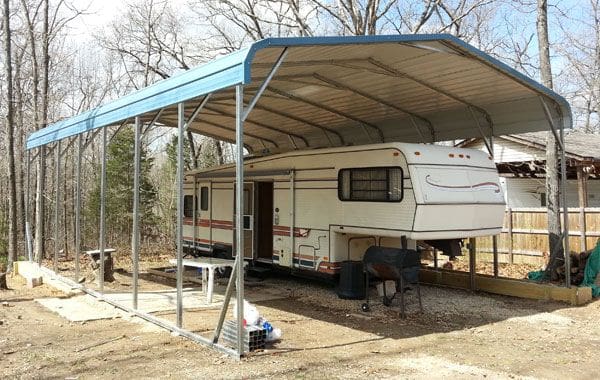
RV owners across states like Texas, Florida, Georgia, Tennessee, Colorado, Pennsylvania, Arizona, Wisconsin, and many others understand how important it is to protect their recreational vehicles from harsh weather, moisture, debris, and long-term wear. Investing in a durable RV cover is one of the best ways to preserve the value, appearance, and lifespan of your RV.
Before choosing an RV cover provider, it’s important to ask the right questions to ensure you receive a high-quality structure designed for your property, vehicle, and local climate conditions.
Important Questions to Ask Before Hiring RV Cover Services
Here are eight important questions every RV owner should consider before investing in a custom RV cover solution.
1. Why Are RV Covers Important?
RV covers help protect your vehicle from a wide range of environmental hazards and long-term damage. A professionally installed metal RV cover can help shield your RV from:
- UV exposure
- Rain and moisture
- Snow and ice
- Hail and storms
- Dirt and debris
- Falling branches
- Bird droppings
- Environmental wear
This protection helps reduce maintenance costs while preserving the condition and value of your RV.
2. What Types of RV Covers Are Available?
Most professional RV cover providers offer several roof styles designed for different weather conditions and property needs.
Regular Roof RV Covers
Regular roof RV covers are a cost-effective option featuring rounded edges and curved roof panels that help direct water and debris away from the structure. These covers work well in regions with moderate weather conditions.
Boxed Eave Roof RV Covers
Boxed eave roof designs provide a more residential appearance while still delivering strong weather resistance and durability. These covers combine visual appeal with dependable performance.
Vertical Roof RV Covers
Vertical roof systems offer maximum strength and weather protection. Their vertical panel design allows rain, snow, leaves, and debris to slide off more efficiently, making them ideal for areas exposed to heavy weather conditions such as Colorado, Pennsylvania, Wisconsin, Texas, and other regions with changing climates.
3. How Do I Choose the Right RV Cover?
The best RV cover depends on several factors including:
- RV size and height
- Property layout
- Local climate conditions
- Budget
- Desired customization features
- Long-term protection goals
Professional providers like Taylor Buildings can help design a customized RV cover solution tailored to your specific needs and environment.
4. What Materials Are RV Covers Made From?
RV covers are available in several material options depending on durability and performance requirements.
Galvanized Steel
Galvanized steel remains one of the most durable and reliable choices for long-term RV protection. It resists rust, corrosion, moisture, and harsh environmental conditions, making it ideal for climates across Florida, Georgia, Texas, Colorado, and many other states.
Aluminum
Aluminum RV covers offer lightweight protection while still providing resistance to rust and corrosion. They are often selected for their balance of durability and lighter structural weight.
Metal Composite Systems
Some RV cover systems utilize a combination of steel and aluminum materials to provide enhanced performance, strength, and corrosion resistance.
5. What Insulation Options Are Available?
Insulation options vary depending on climate and storage goals. Some RV owners prefer non-insulated covers for moderate climates, while others choose insulated systems for improved temperature regulation and year-round protection.
Popular insulation options may include:
- Spray foam insulation
- Reflective insulation
- Fiberglass insulation
- Climate-specific insulation systems
These solutions can help improve energy efficiency while reducing heat buildup and moisture exposure.
6. What Does the Installation Process Include?
Professional RV cover installation typically includes:
- Site evaluation
- Ground preparation
- Permit coordination if needed
- Structural assembly
- Anchoring and securing the system
- Final inspections
Working with an experienced installation team helps ensure your RV cover is safely and properly installed for long-term performance.
7. What Customization Options Are Available?
Custom RV covers can often be personalized to fit both functional and aesthetic preferences. Customization options may include:
- Color selections
- Roof styles
- Size configurations
- Enclosed sides
- Roll-up doors
- Ventilation systems
- Additional storage areas
- Decorative trim packages
Taylor Buildings proudly provides customizable RV cover solutions for customers across the many states we serve.
8. How Do I Maintain My RV Cover?
Routine maintenance helps extend the life and performance of your RV cover system. Important maintenance practices include:
- Regular inspections
- Cleaning debris from the roof
- Checking anchors and fasteners
- Monitoring for corrosion or wear
- Keeping drainage areas clear
Following manufacturer recommendations and scheduling periodic inspections can help preserve the structure for many years.
Final Thoughts
Choosing the right RV cover provider is an important investment in protecting your recreational vehicle and maintaining your lifestyle. RV owners across Texas, Florida, Colorado, Pennsylvania, Tennessee, Wisconsin, Georgia, and many other states continue choosing durable metal RV cover systems for reliable year-round protection.
Taylor Buildings proudly provides customizable RV cover solutions designed for long-term durability, weather resistance, and dependable performance across the many states we serve.
Contact Taylor Buildings today to learn more about our custom RV cover options and find the right protection solution for your RV.