Everything You Need to Know About Galvanized Building Designs
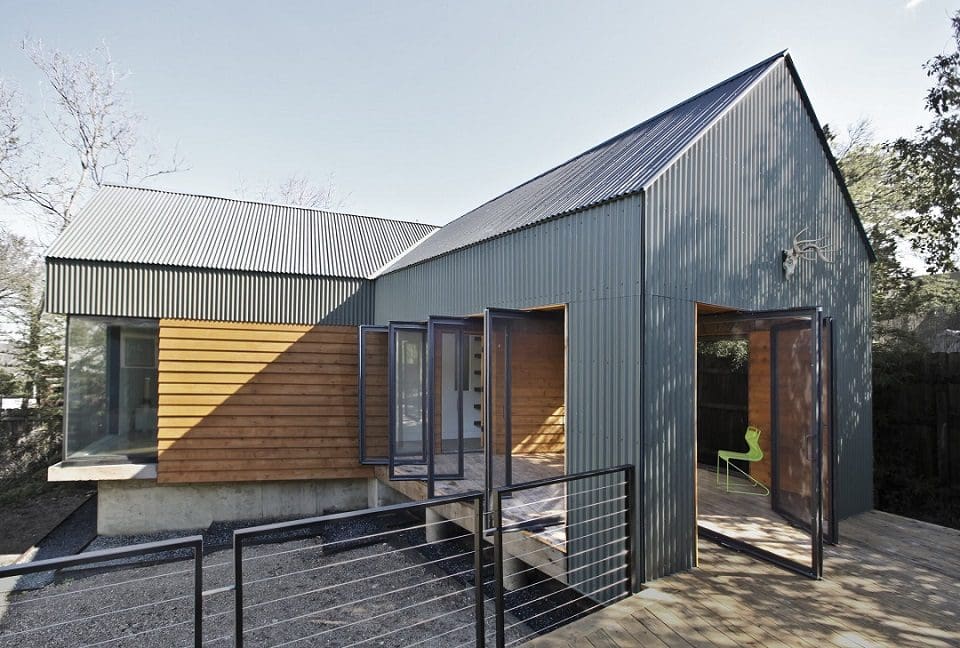
Galvanized building designs continue transforming modern construction across states like Texas, Florida, Georgia, Tennessee, Colorado, Pennsylvania, Wisconsin, Arizona, and many others. Property owners, businesses, agricultural operations, and developers continue choosing galvanized steel structures because of their durability, corrosion resistance, and long-term value.
From residential homes and garages to commercial facilities and industrial projects, galvanized steel provides a dependable solution designed to withstand demanding environmental conditions while requiring minimal maintenance.
What Are Galvanized Building Designs?
Galvanized building designs refer to structures built using galvanized steel — steel that has been coated with a protective layer of zinc to help prevent rust and corrosion.
The galvanization process creates a strong protective barrier that helps steel resist:
- Moisture damage
- Corrosion
- Environmental wear
- Harsh weather exposure
This added protection allows galvanized steel buildings to maintain structural integrity and appearance for many years, even in challenging climates.
Why Galvanized Steel Is So Popular
Galvanized steel continues growing in popularity because it combines strength, efficiency, and long-term performance in one highly versatile material.
Property owners across humid climates like Florida and Georgia, snowy regions like Colorado and Pennsylvania, and hot environments like Texas and Arizona continue relying on galvanized steel for dependable protection and durability.
Advantages of Galvanized Building Designs
1. Exceptional Durability
One of the biggest advantages of galvanized steel is its outstanding durability. The protective zinc coating helps preserve the steel against corrosion and environmental deterioration, allowing structures to last for decades with proper maintenance.
Galvanized steel buildings are engineered to withstand:
- Strong winds
- Heavy rain
- Snow and ice
- UV exposure
- Humidity
- Temperature fluctuations
2. Cost-Effective Long-Term Investment
Although galvanized steel buildings may involve a slightly higher initial investment than some traditional materials, their low maintenance requirements and extended lifespan often create significant long-term savings.
Property owners benefit from:
- Fewer repairs
- Reduced maintenance costs
- Longer building lifespan
- Improved structural reliability
3. Environmentally Friendly Construction
Galvanized steel is considered a sustainable construction material because both steel and zinc are recyclable. Many galvanized building components can also be reused or repurposed for future projects.
The long lifespan of galvanized structures further reduces material waste and replacement demands over time.
Common Applications of Galvanized Building Designs
Galvanized steel’s versatility allows it to support a wide variety of construction projects.
Residential Buildings
Homeowners across Texas, Tennessee, Florida, and surrounding states continue choosing galvanized steel for:
- Homes
- Garages
- Workshops
- RV covers
- Storage buildings
- Barndominiums
These structures provide long-term durability while maintaining modern design flexibility.
Commercial & Industrial Buildings
Businesses often choose galvanized steel because of its strength and low-maintenance performance.
Common commercial applications include:
- Warehouses
- Retail spaces
- Office buildings
- Manufacturing facilities
- Storage centers
- Industrial workshops
Agricultural Buildings
Farmers and agricultural property owners across Kansas, Oklahoma, Missouri, Wisconsin, and Tennessee often use galvanized steel for:
- Barns
- Equipment storage
- Livestock shelters
- Feed storage
- Agricultural warehouses
Galvanized steel performs especially well in agricultural environments because it resists moisture, pests, and corrosion.
Infrastructure Projects
Galvanized steel is also commonly used in infrastructure projects including:
- Bridges
- Highway structures
- Utility poles
- Transportation systems
- Public facilities
Its ability to withstand heavy loads and environmental exposure makes it highly dependable for public infrastructure.
Understanding the Galvanization Process
The galvanization process plays a major role in the performance and longevity of galvanized steel structures.
Steel Preparation
Before galvanization, steel surfaces are carefully cleaned to remove dirt, grease, rust, and contaminants that could interfere with the bonding process.
Hot-Dip Galvanization
The most common galvanization method is hot-dip galvanization. During this process, steel is immersed into molten zinc at extremely high temperatures.
This creates multiple protective layers:
- Zinc-iron alloy layers
- Outer zinc coating
- Corrosion-resistant protection
The result is a strong metallurgical bond that protects the steel from environmental exposure.
Cooling & Inspection
After galvanization, the steel is cooled and carefully inspected to ensure:
- Uniform coating coverage
- Proper bonding
- Surface protection
- Structural quality
Maintenance Tips for Galvanized Buildings
Although galvanized steel buildings require minimal maintenance, routine care still helps maximize longevity and appearance.
Regular Cleaning
Washing the building periodically with mild detergent and water helps remove:
- Dirt
- Dust
- Environmental buildup
- Moisture residue
Avoid harsh chemicals or abrasive cleaning materials that may damage protective coatings.
Routine Inspections
Regular inspections help identify:
- Surface damage
- Loose fasteners
- Scratches
- Dents
- Signs of wear
Addressing small issues early helps prevent larger structural concerns later.
Galvanized Steel vs. Other Building Materials
Galvanized Steel vs. Wood
Unlike wood structures, galvanized steel:
- Resists termites and pests
- Does not rot or warp
- Handles moisture better
- Requires less maintenance
- Offers greater fire resistance
Galvanized Steel vs. Aluminum
While aluminum is lightweight, galvanized steel generally provides:
- Greater structural strength
- Better impact resistance
- Improved cost-effectiveness for larger projects
The Future of Galvanized Building Designs
As the construction industry continues prioritizing durability, sustainability, and efficient building methods, galvanized steel structures are expected to remain a major part of modern construction.
Advancements in:
- Protective coatings
- Engineering systems
- Fabrication technologies
- Energy-efficient building methods
will continue improving the performance and versatility of galvanized building designs in the years ahead.
Final Thoughts
Galvanized building designs continue shaping the future of residential, commercial, agricultural, and industrial construction because of their strength, corrosion resistance, sustainability, and long-term value.
Property owners across Texas, Florida, Georgia, Tennessee, Colorado, Pennsylvania, Wisconsin, Arizona, and many other states continue choosing galvanized steel structures for dependable performance and lasting protection.
Taylor Buildings proudly provides customizable galvanized steel building solutions designed to meet the needs of customers across the many states we serve.
Contact Taylor Buildings today to learn more about our galvanized building options and discover the right solution for your next project.