Common Misconceptions About Using Steel for Industrial Building Construction
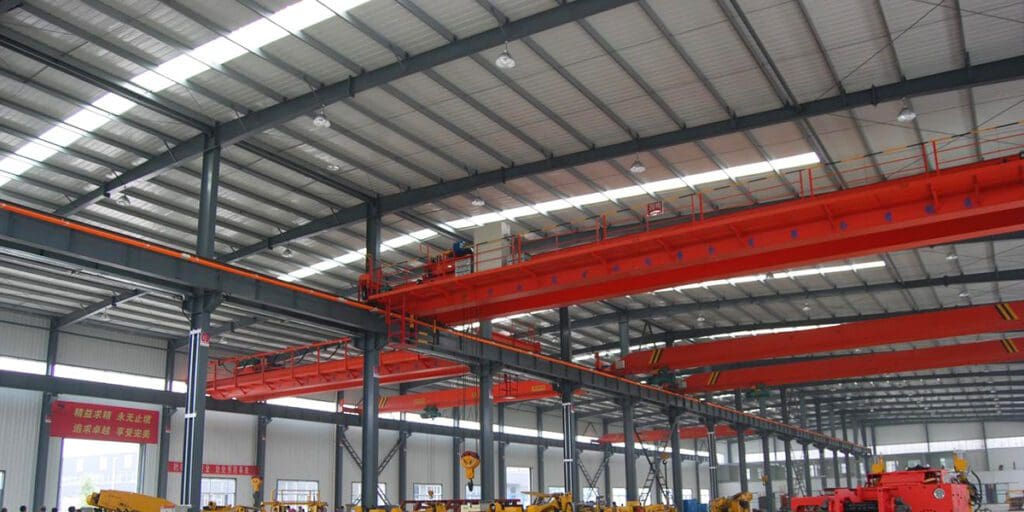
Industrial buildings must provide more than visual appeal — they need exceptional strength, durability, and long-term functionality. Whether used for manufacturing, warehousing, logistics, storage, or commercial operations, industrial structures must withstand harsh weather conditions, heavy workloads, and evolving operational demands.
Because of its impressive strength-to-weight ratio and long-term reliability, steel continues becoming one of the most trusted construction materials for industrial buildings across states like Texas, Florida, Georgia, Tennessee, Colorado, Pennsylvania, Wisconsin, Arizona, and many others.
Despite its growing popularity, several misconceptions still surround the use of steel in industrial construction. Understanding the facts behind these myths can help property owners and businesses make more informed building decisions.
Common Myths About Steel Industrial Buildings
1. Steel Expansion & Contraction Cannot Be Controlled
One common misconception is that steel expands and contracts too much to be safely used in industrial construction.
Like many materials, steel naturally expands and contracts slightly as temperatures change. However, properly engineered steel buildings are specifically designed to accommodate thermal movement without compromising structural integrity.
Professional steel building systems often incorporate:
- Expansion joints
- Thermal breaks
- Flexible connections
- Proper ventilation systems
- Engineered spacing between structural components
Unlike some traditional materials, steel does not crack under normal temperature changes and can withstand extremely high operating temperatures while maintaining structural performance.
These engineered solutions help steel buildings remain reliable across climates ranging from the heat of Texas and Arizona to the colder seasonal conditions found in Colorado and Pennsylvania.
2. Steel Buildings Rust Easily
Another widespread myth is that steel buildings quickly rust and deteriorate.
Modern steel building systems are often manufactured using galvanized steel or protective coatings specifically designed to resist corrosion and environmental exposure.
Galvanized steel features a protective zinc coating that helps shield the metal from:
- Moisture
- Humidity
- Corrosion
- Environmental wear
This protection is especially valuable in humid and coastal regions such as Florida, Georgia, and Louisiana.
Compared to traditional materials like wood, steel also resists:
- Rot and decay
- Termites and pests
- Mold growth
- Moisture-related deterioration
With proper maintenance, modern steel buildings can maintain their appearance and structural integrity for many years.
3. Steel Buildings Lack Visual Appeal
Many people assume industrial steel buildings look plain, boxy, or unattractive. In reality, modern steel buildings offer extensive customization and architectural flexibility.
Today’s steel structures can incorporate:
- Large windows
- Decorative entryways
- Modern façades
- Custom roof styles
- Exterior cladding
- Stone or wood accents
- Architectural lighting
- Color customization
Steel construction also allows for larger open spaces and improved natural lighting, creating modern and visually appealing industrial environments.
Businesses across Texas, Florida, Tennessee, Georgia, and many other states continue choosing steel buildings because they combine functionality with customizable aesthetics.
4. Steel Industrial Buildings Are Too Expensive
Some property owners assume steel buildings are significantly more expensive than traditional construction methods. However, steel often proves highly cost-effective over time.
Benefits that improve long-term affordability include:
- Faster construction timelines
- Reduced labor costs
- Lower maintenance expenses
- Greater durability
- Longer building lifespan
- Reduced repair needs
Steel’s strength and resistance to environmental damage help reduce long-term operational costs compared to materials more vulnerable to warping, rot, pests, or weather-related deterioration.
Because many steel building systems are prefabricated, businesses can also save time and reduce costly construction delays.
5. Steel Buildings Attract Lightning
A common misconception is that metal roofs and steel buildings increase the likelihood of lightning strikes.
In reality, steel does not attract lightning. Instead, steel acts as a conductor that can safely direct electrical energy into the ground when buildings are properly grounded and engineered.
Steel buildings often provide added safety during lightning storms because:
- Steel is non-combustible
- Electricity can be safely dispersed
- The structure is less likely to ignite compared to wood
This makes steel construction a dependable option for regions prone to severe thunderstorms and changing weather conditions.
Additional Advantages of Steel Industrial Buildings
Beyond correcting common myths, steel industrial buildings offer several important long-term benefits including:
- Exceptional structural strength
- Energy efficiency
- Fire resistance
- Design flexibility
- Sustainability
- Low-maintenance performance
- Faster project completion
Property owners across Texas, Florida, Georgia, Tennessee, Colorado, Pennsylvania, Wisconsin, Arizona, and many other states continue investing in steel construction because of its ability to support modern industrial and commercial operations efficiently.
Why Steel Remains a Smart Long-Term Investment
Steel continues leading industrial construction because it combines:
- Durability
- Safety
- Cost efficiency
- Weather resistance
- Modern design flexibility
- Long-term reliability
Whether constructing warehouses, manufacturing facilities, storage buildings, workshops, or distribution centers, steel offers dependable performance designed to meet evolving operational demands.
Final Thoughts
Many misconceptions surrounding steel industrial buildings are based on outdated assumptions rather than modern construction realities. Today’s steel buildings are engineered for strength, efficiency, customization, and long-term durability while offering excellent resistance to weather, fire, pests, and environmental damage.
Businesses and property owners across Texas, Florida, Georgia, Tennessee, Colorado, Pennsylvania, Wisconsin, Arizona, and many other states continue choosing steel construction because of its reliability and long-term value.
Taylor Buildings proudly provides customizable steel industrial building solutions designed for dependable performance and modern construction needs across the many states we serve.
Contact Taylor Buildings today to learn more about our industrial steel building options and discover the right solution for your next project.