How Steel Building Structures Are Protected and Built to Withstand Extreme Weather
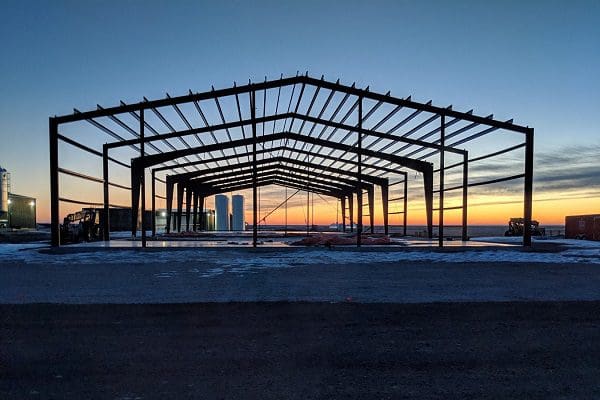
Steel building structures continue growing in popularity across states like Texas, Florida, Colorado, Tennessee, Pennsylvania, Georgia, Oklahoma, Wisconsin, and many others because of their ability to withstand demanding weather conditions. From extreme heat and humidity to snowstorms, hail, hurricanes, and strong winds, steel buildings are engineered for long-term durability and protection.
Modern steel structures are designed using advanced engineering techniques and protective systems that help them perform reliably in a wide range of climates throughout the many states Taylor Buildings proudly serves.
How Steel Building Structures Handle Extreme Weather Conditions
Steel building systems are designed with multiple layers of protection to help improve structural integrity, weather resistance, and long-term performance. Here are some of the key ways steel structures are built to withstand challenging environmental conditions.
1. Advanced Structural Engineering
Strong engineering design plays a major role in protecting steel buildings during severe weather conditions. Steel structures are carefully engineered to distribute weight and pressure evenly throughout the building frame, helping improve stability during storms and high winds.
Reinforced bolts, welds, and connection systems also help ensure the structure remains securely connected even under intense environmental stress.
2. High-Quality Steel Construction
Commercial steel buildings are manufactured using durable, high-quality steel designed for long-term performance. Many steel building systems utilize heavy-gauge framing capable of handling demanding weather conditions across regions like Texas, Colorado, Pennsylvania, and Florida.
Steel is also resistant to:
- Termites and pests
- Rot and decay
- Warping and cracking
- Moisture-related deterioration
This helps reduce structural maintenance concerns over time.
3. Wind & Snow Load Protection
Steel buildings are engineered to withstand regional wind and snow load requirements depending on the project location. Properties in states like Colorado, Pennsylvania, Wisconsin, and New York may require enhanced snow-load capabilities, while buildings in Florida, Texas, and coastal regions are often designed for stronger wind resistance.
Additional support systems and bracing help improve overall structural stability during severe weather events.
4. Insulation Systems for Comfort & Efficiency
Modern steel buildings can include a variety of insulation systems designed to improve indoor comfort and energy efficiency throughout changing seasonal conditions.
Common insulation options include:
- Spray foam insulation
- Fiberglass insulation
- Insulated metal panels
- Reflective insulation systems
These solutions help regulate indoor temperatures while reducing moisture buildup and improving overall energy performance.
5. Fire Resistance & Building Protection
Steel remains one of the most fire-resistant building materials used in modern construction. Unlike wood, steel does not contribute to the spread of flames, helping improve overall building safety.
Additional fire protection systems such as fire-resistant coatings, suppression systems, and insulated materials can also be incorporated into steel building designs for enhanced protection.
6. Corrosion & Rust Protection
Galvanized steel components help protect buildings from rust and corrosion caused by moisture exposure, humidity, and changing environmental conditions. Protective zinc coatings create a barrier that helps preserve the structural integrity of steel framing over time.
This added protection is especially valuable in humid coastal states like Florida, Louisiana, and Georgia where moisture exposure can accelerate deterioration in traditional building materials.
7. Protection Against Water Intrusion
Steel building systems are carefully sealed to help prevent water penetration during heavy rain, snow, and storms. Specialized sealing systems, weather stripping, gaskets, and protective barriers help reduce the risk of leaks and moisture intrusion around doors, windows, and structural connections.
This helps maintain a dry and protected interior environment while reducing the risk of long-term water damage.
8. Reinforced Foundations for Long-Term Stability
Strong foundations are critical for long-term structural performance. Steel building foundations are engineered based on soil conditions, climate factors, and regional environmental considerations.
Proper drainage systems and reinforced foundation designs help improve stability while reducing risks associated with soil movement, moisture buildup, and freeze-thaw cycles common in certain regions.
Built for Diverse Climates Across Multiple States
Steel building systems continue proving their reliability across a wide range of climates throughout the United States. Whether handling intense heat in Arizona and Texas, heavy rainfall in Florida and Georgia, snow accumulation in Colorado and Pennsylvania, or strong winds in Oklahoma and Tennessee, steel buildings are engineered for dependable long-term performance.
Final Thoughts
Steel building structures continue setting the standard for durability, weather resistance, and long-term reliability in modern construction. Their advanced engineering, protective coatings, reinforced framing, and customizable features make them a dependable solution for residential, agricultural, commercial, and industrial projects across the many states Taylor Buildings proudly serves.
Contact Taylor Buildings today to learn more about our customizable steel building solutions and discover how steel construction can help protect your property against extreme weather conditions.