Metal for Industrial Buildings: 6 Advantages You Should Know
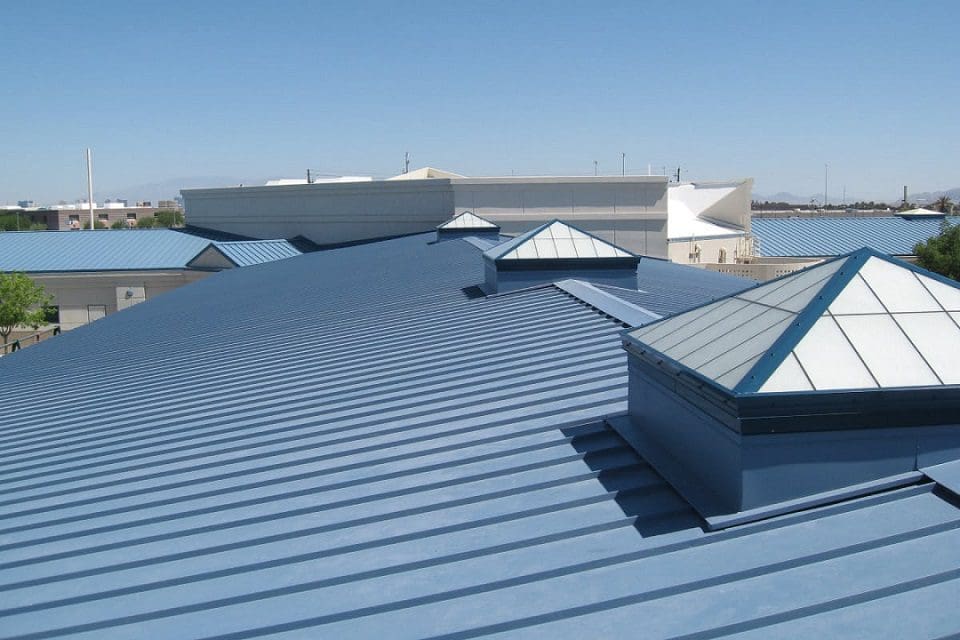
Metal continues becoming one of the most trusted construction materials for industrial buildings across states like Texas, Florida, Georgia, Tennessee, Colorado, Pennsylvania, Wisconsin, Arizona, and many others. From warehouses and manufacturing facilities to distribution centers and storage operations, businesses continue choosing metal construction because of its durability, efficiency, and long-term value.
As industries expand and operational demands increase, modern industrial facilities require building solutions capable of handling harsh environments, heavy workloads, and evolving business needs. Metal industrial buildings provide the flexibility and performance necessary to support long-term growth and operational success.
Why Metal Is a Popular Choice for Industrial Buildings
Metal construction offers several important advantages that make it highly effective for industrial applications.
Here are six major benefits businesses and property owners should know when considering metal industrial buildings.
1. Exceptional Durability & Structural Strength
Metal buildings are engineered for long-term performance and structural reliability. Steel provides outstanding strength while remaining lighter than many traditional construction materials, making it ideal for large-scale industrial facilities.
Metal industrial buildings are designed to withstand:
- Strong winds
- Heavy rain
- Snow and ice
- Extreme heat
- Humidity
- Environmental wear
This durability is especially valuable for facilities located in regions with challenging climates such as Texas, Florida, Colorado, Oklahoma, and Pennsylvania.
Metal structures also resist:
- Warping
- Rot and decay
- Moisture-related deterioration
- Pests and termites
These advantages help preserve structural integrity while reducing long-term maintenance concerns.
2. Cost-Effective Construction
Metal construction provides excellent long-term value for industrial projects. Prefabricated steel building systems help streamline installation while reducing:
- Construction time
- Labor expenses
- Material waste
- Project delays
Because metal structures require less long-term maintenance compared to many traditional materials, businesses also benefit from lower operational and repair costs over time.
This combination of durability and efficiency makes metal industrial buildings a financially smart investment for many industries.
3. Extensive Customization & Design Flexibility
One of the biggest advantages of metal construction is its ability to support highly customized layouts and building designs.
Industrial buildings can be tailored for:
- Warehousing
- Manufacturing operations
- Distribution centers
- Equipment storage
- Logistics facilities
- Commercial workspaces
Customization options may include:
- Open floor plans
- Large overhead doors
- Mezzanines
- Office areas
- Ventilation systems
- Specialized storage configurations
- Custom exterior finishes
Metal construction also makes future building expansions easier as operational needs continue evolving.
4. Energy Efficiency & Sustainability
Modern metal buildings can incorporate energy-efficient systems designed to reduce operating costs while supporting sustainability goals.
Popular energy-saving features include:
- Reflective roofing systems
- Spray foam insulation
- Natural lighting systems
- Energy-efficient windows and doors
- Ventilation systems
Metal buildings help reduce heat absorption and improve temperature regulation, especially in hot climates like Texas, Arizona, Florida, and Georgia.
Steel is also highly recyclable, making metal construction a more environmentally responsible building solution that supports sustainable construction practices.
5. Fire Resistance & Improved Safety
Steel offers strong fire-resistant properties because it is non-combustible and less likely to contribute to fire spread compared to traditional wood construction.
Additional safety advantages include:
- Improved structural stability
- Resistance to pests and mold
- Reduced risk of rot and decay
- Greater resilience during severe weather
These features help create safer industrial environments for employees, equipment, and operations.
6. Faster Construction & Reduced Downtime
Many metal building components are manufactured off-site before arriving at the project location. This prefabrication process helps significantly reduce on-site construction timelines.
Benefits include:
- Faster installation
- Reduced project interruptions
- Improved scheduling efficiency
- Less weather-related delay
- Quicker operational readiness
For businesses with time-sensitive operations, faster construction means:
- Reduced downtime
- Faster occupancy
- Quicker revenue generation
- Improved operational continuity
This speed and efficiency make metal buildings highly attractive for rapidly growing industries across multiple states.
Why Businesses Continue Choosing Metal Industrial Buildings
Businesses across Texas, Florida, Georgia, Tennessee, Colorado, Pennsylvania, Wisconsin, Arizona, and many other states continue investing in metal industrial buildings because they combine:
- Strength
- Durability
- Energy efficiency
- Customization flexibility
- Long-term cost savings
- Faster project completion
Their ability to support evolving industrial operations makes them one of the most practical construction solutions available today.
Final Thoughts
Metal industrial buildings continue leading modern industrial construction because of their durability, flexibility, cost-effectiveness, and long-term performance. Whether used for manufacturing, storage, logistics, or commercial operations, metal structures provide dependable solutions designed to support business growth and operational efficiency.
Taylor Buildings proudly provides customizable metal industrial building solutions designed for long-term durability and reliable performance across the many states we serve.
Contact Taylor Buildings today to learn more about our industrial metal building options and discover the right solution for your next project.