The Cost-Effectiveness of Steel Building Structures
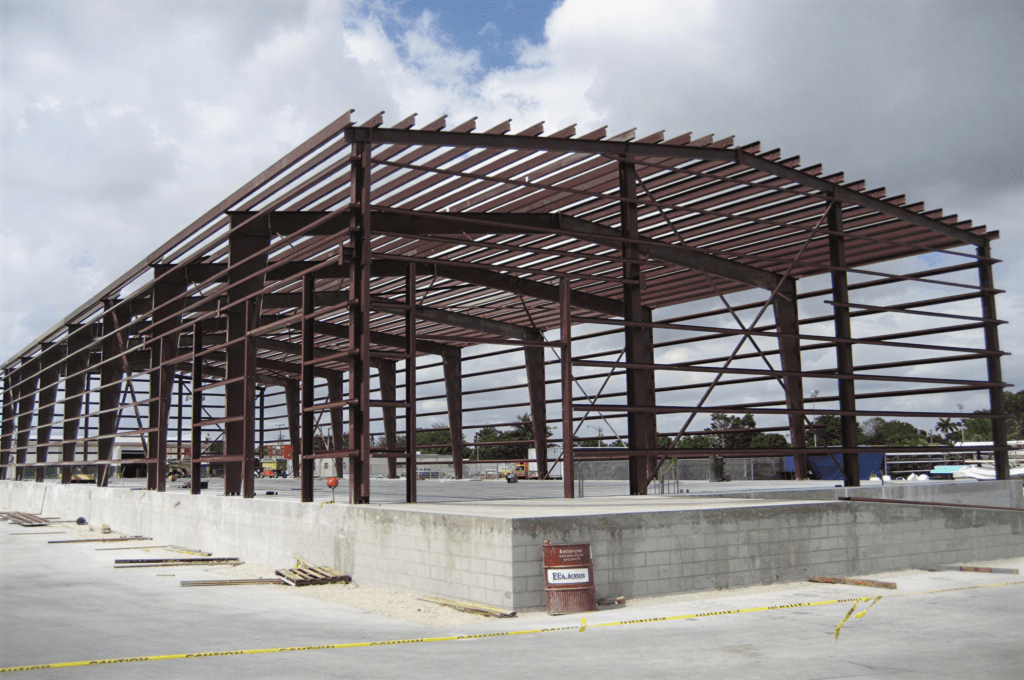
Property owners and businesses across states like Texas, Florida, Georgia, Tennessee, Colorado, Pennsylvania, Arizona, North Carolina, and many others are increasingly turning to steel building structures for long-term durability and cost savings. Steel buildings continue to grow in popularity because they provide strength, efficiency, flexibility, and lower long-term maintenance costs compared to many traditional construction materials.
From commercial facilities and agricultural buildings to workshops, garages, and industrial properties, steel structures offer dependable performance in a wide range of climates and environmental conditions throughout the states we serve.
How Steel Structures Deliver Long-Term Cost Efficiency
Steel buildings are known for their durability, rapid construction timelines, and reduced maintenance requirements. Here’s how steel building systems help property owners maximize value while minimizing long-term expenses.
1. Exceptional Strength & Durability
Steel is one of the strongest and most reliable building materials available today. Steel structures are designed to withstand demanding weather conditions including strong winds, heavy rain, snow, humidity, hail, and temperature fluctuations.
Whether facing coastal moisture in Florida, snow in Pennsylvania and New York, or extreme heat in Texas and Arizona, steel buildings provide dependable long-term performance with fewer structural concerns over time.
2. Flexible Customization Options
Steel building systems offer extensive customization opportunities to fit different industries and property needs. Buildings can be designed in various sizes, layouts, roof styles, and configurations while supporting future expansion if needed.
At Taylor Buildings, we provide customizable steel building solutions for residential, commercial, agricultural, and industrial projects across the many states we proudly serve.
3. Faster Construction Timelines
One of the biggest advantages of steel construction is the speed of installation. Many steel building components are pre-engineered and manufactured before arriving at the job site, allowing for faster assembly and reduced labor requirements.
This streamlined process helps property owners in states like Tennessee, Georgia, Oklahoma, and Wisconsin complete projects more efficiently while reducing construction delays and labor costs.
4. Reduced Long-Term Maintenance Costs
Steel structures require less maintenance than many traditional building materials. Steel is resistant to pests, moisture damage, warping, cracking, and many forms of environmental deterioration that can increase repair costs over time.
Because of this durability, businesses and homeowners across Colorado, North Carolina, Texas, and surrounding states often choose steel buildings as a long-term investment solution.
5. Environmentally Sustainable Construction
Steel remains one of the most recyclable building materials used in modern construction. Many steel components can be reused or repurposed, helping reduce waste and support environmentally responsible construction practices.
The efficient manufacturing and installation process also helps minimize material waste and construction disruptions on-site.
6. Long-Term Structural Reliability
Steel building systems are engineered for long-lasting performance and structural stability. Properly designed steel structures can maintain their integrity for decades while requiring fewer major repairs or replacements compared to some traditional construction methods.
This long lifespan helps property owners maximize the return on their investment while reducing long-term operational expenses.
7. Reduced Foundation & Labor Expenses
Compared to many heavier construction materials, steel structures can often reduce certain foundation and labor requirements. Faster installation timelines and simplified assembly processes help reduce project costs while improving overall efficiency.
This advantage is especially valuable for growing businesses and commercial developments across rapidly expanding states like Florida, Georgia, Tennessee, and Texas.
8. Potential Insurance Advantages
Because steel buildings are durable and resistant to many environmental risks, some insurance providers may offer favorable insurance considerations for steel structures. Factors such as fire resistance and structural durability can contribute to lower long-term risk exposure.
Modern Technology & Steel Manufacturing Innovation
Advancements in steel manufacturing technology continue making steel construction more efficient and cost-effective than ever before. Tools like computer-aided design (CAD) and building information modeling (BIM) help improve planning accuracy, reduce material waste, and streamline project execution.
These innovations allow steel building projects across states like California, Washington, Pennsylvania, and Arizona to be completed more efficiently while supporting high-quality construction standards.
Final Thoughts
Steel building structures continue shaping the future of construction because of their strength, efficiency, sustainability, and long-term value. Businesses, homeowners, and developers across Texas, Florida, Colorado, Georgia, Tennessee, Pennsylvania, Wisconsin, and many other states are choosing steel construction for projects that require durability and cost-effective performance.
Taylor Buildings proudly provides customizable steel building solutions across multiple states with designs tailored to your specific property and project goals.
Contact Taylor Buildings today to learn more about the benefits of steel construction and discover the right building solution for your next project.