The Future of Galvanized Building Design: Trends and Forecast
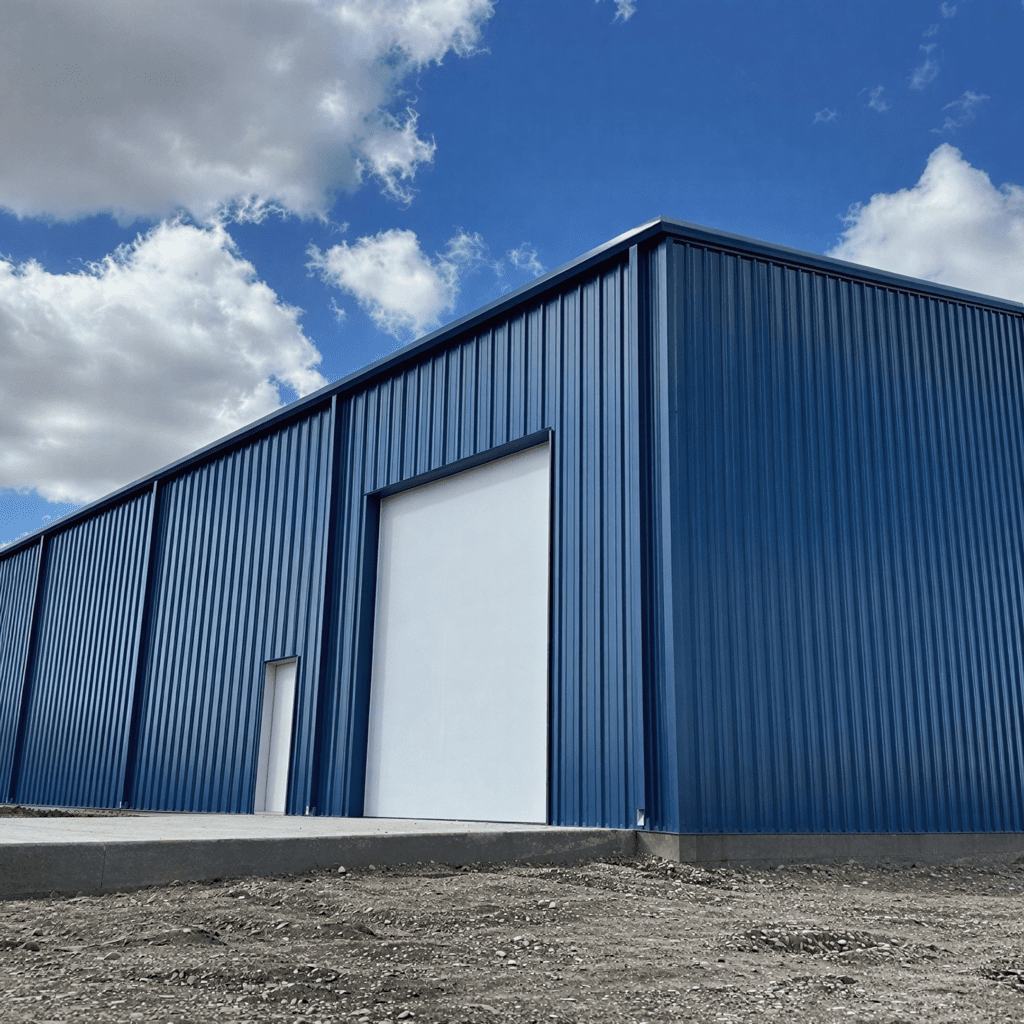
Galvanized building designs are becoming an increasingly popular choice for homeowners, businesses, agricultural operations, and commercial property owners across states like Texas, Florida, Colorado, Tennessee, Pennsylvania, Georgia, New York, and many others. Galvanization is the process of coating steel or metal with protective zinc to help prevent rust, corrosion, and long-term environmental damage.
Galvanized steel buildings are known for their durability, longevity, and ability to withstand a wide range of environmental conditions. Compared to many traditional building materials, galvanized steel structures often require less maintenance while delivering long-term strength and reliability. As demand continues to grow across the country, new trends and innovations are shaping the future of galvanized building design.
Top Trends in Galvanized Building Design
Galvanized steel buildings continue to gain popularity because of their strength, versatility, and resistance to weather-related damage. These structures are designed to withstand harsh environmental conditions including heavy rain, snow, humidity, strong winds, and temperature fluctuations in many of the states we serve.
Here are some of the top trends influencing the future of galvanized building design.
Galvanized Steel in Residential Construction
Homeowners across states like Florida, North Carolina, Tennessee, and Texas are increasingly choosing galvanized steel structures for garages, workshops, storage buildings, RV covers, and residential additions. These buildings offer long-term durability while helping reduce maintenance and repair costs over time.
Green Building Projects
As sustainable construction continues to grow in popularity, galvanized steel is becoming a preferred material for environmentally conscious building projects. Steel is recyclable, energy efficient, and supports many modern green building standards used throughout residential and commercial construction.
Modular Construction
Galvanized steel’s ease of fabrication and assembly makes it ideal for modular construction projects. Many building components are manufactured off-site in controlled environments before being delivered and assembled on location. This helps speed up project timelines while reducing material waste and construction disruptions.
Architectural Innovation
Architects and designers continue exploring new ways to use galvanized steel because of its flexibility and customization potential. From modern commercial buildings in California and Washington to agricultural facilities in Kansas and Oklahoma, galvanized steel allows for creative designs while maintaining structural integrity.
Galvanized Buildings in Extreme Environments
One of the biggest advantages of galvanized building systems is their ability to perform well in a wide range of climates and environments. Whether located in coastal areas of Florida, snowy regions of New York and Pennsylvania, or hot desert climates in Arizona and Nevada, galvanized steel buildings provide dependable long-term performance.
Built for Harsh Conditions
Galvanized steel structures are designed to resist corrosion, moisture damage, pests, strong winds, and environmental wear. This makes them a reliable option for regions frequently affected by severe weather conditions, humidity, or temperature extremes.
Long-Term Structural Performance
The protective galvanized coating helps extend the lifespan of steel components while reducing maintenance requirements. This added durability allows galvanized buildings to maintain their appearance and performance for many years.
Urban Growth & Modern Construction Demands
As cities and communities continue expanding across states like Georgia, Tennessee, Colorado, and North Carolina, the demand for efficient and cost-effective construction solutions continues to rise. Traditional construction methods often require longer build times, higher labor costs, and greater material waste.
Galvanized steel building systems offer a faster and more flexible alternative for modern construction needs. These structures can often be installed more efficiently while allowing for future expansion, relocation, or customization as property needs change over time.
Global Market Trends & Industry Forecast
Several factors continue driving the growing demand for galvanized building systems across residential, commercial, industrial, and agricultural markets.
Economic Growth & Infrastructure Expansion
Rapid infrastructure development throughout many states continues increasing demand for durable, cost-effective construction materials. Galvanized steel buildings support faster project completion while providing long-term value.
Resistance to Environmental Damage
Galvanized steel helps protect buildings against rust, corrosion, moisture exposure, and weather-related deterioration. This added protection helps maintain the integrity and appearance of structures over time.
Sustainability & Reusability
Steel remains one of the most recyclable construction materials available today. Many galvanized steel building components can also be reused, expanded, or modified, making them a practical and environmentally responsible choice for evolving property needs.
Final Thoughts
Galvanized building designs continue shaping the future of modern construction through durability, sustainability, flexibility, and long-term performance. From residential and agricultural projects to large-scale commercial developments, galvanized steel buildings provide dependable solutions for property owners across the many states Taylor Buildings proudly serves.
Whether you are located in Texas, Florida, Colorado, Tennessee, Pennsylvania, Arizona, Washington, or beyond, Taylor Buildings can help you explore customized galvanized building solutions designed to meet your needs.
Contact Taylor Buildings today to learn more about our galvanized building options and discover the benefits of durable steel construction for your next project.