A Complete Guide to Storage Buildings
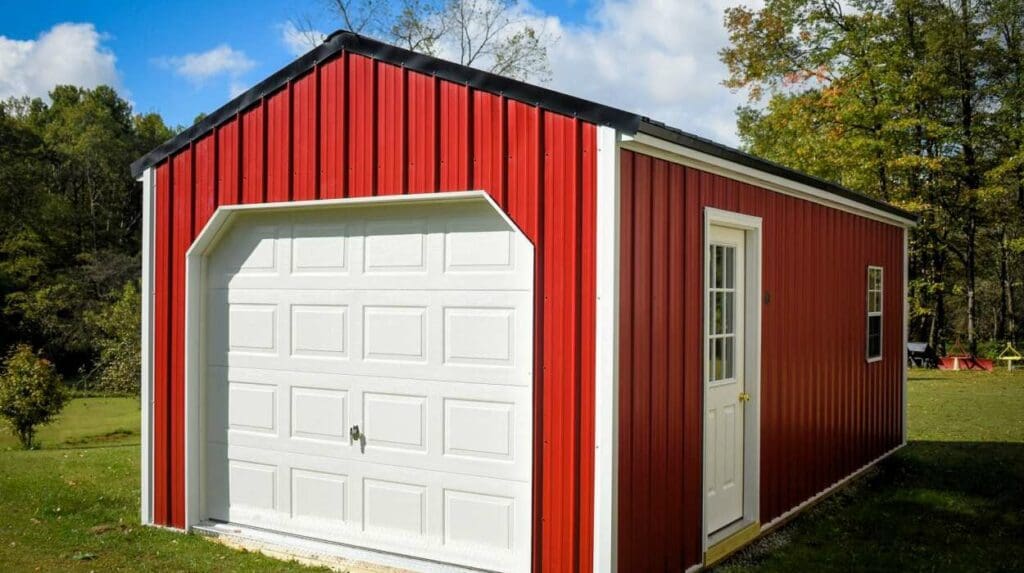
Storage buildings provide an excellent solution for homeowners, businesses, agricultural operations, and commercial facilities looking to free up space while keeping valuable items organized, secure, and easily accessible. Property owners across states like Texas, Florida, Georgia, Tennessee, Colorado, Pennsylvania, Wisconsin, Arizona, and many others continue investing in storage buildings because of their flexibility, durability, and long-term value.
From residential garden sheds and garages to large industrial warehouses and agricultural storage facilities, storage buildings are designed to protect equipment, inventory, vehicles, tools, and supplies from weather exposure, theft, and environmental damage.
Choosing the right storage building depends on several important factors including building size, intended use, location, security needs, and budget.
1. What to Consider Before Choosing a Storage Building
Selecting the right storage building is an important decision that directly impacts organization, accessibility, protection, and long-term efficiency.
Determine What You Plan to Store
The first step is deciding exactly what items will be stored inside the building. Storage needs vary greatly depending on whether the building will hold:
- Household items
- Vehicles
- Lawn equipment
- Commercial inventory
- Agricultural supplies
- Machinery
- Livestock equipment
Understanding your storage goals helps determine the right building size, layout, and customization options.
Choose the Right Size
Storage buildings are available in a wide variety of sizes depending on property needs. Some smaller residential units may provide compact storage space, while larger commercial and industrial buildings can accommodate equipment, inventory, or operational activities.
It’s often recommended to choose a slightly larger building than your immediate needs to allow room for future growth and additional storage.
Consider Building Location
The location of your storage building plays a major role in long-term performance and accessibility.
For example:
- Backyard or garden storage may require landscaping and drainage considerations.
- Commercial properties may require easier vehicle access and loading areas.
- Agricultural properties may prioritize equipment accessibility and weather protection.
Climate conditions should also be considered, especially in regions with:
- High humidity
- Snow and ice
- Strong winds
- Heavy rainfall
- Extreme heat
Property owners across Florida, Colorado, Texas, Pennsylvania, and surrounding states often benefit from additional insulation and weather-resistant upgrades.
Think About Security Features
If valuable items or equipment will be stored inside the building, security becomes especially important.
Popular security upgrades include:
- Surveillance cameras
- Alarm systems
- Electronic access controls
- Reinforced doors
- Motion lighting
- Roll-up steel doors
These features help protect stored belongings while improving peace of mind.
Establish a Budget
Before selecting a storage building, it’s important to establish a realistic budget that includes:
- Building materials
- Installation costs
- Site preparation
- Insulation upgrades
- Security systems
- Long-term maintenance
Balancing functionality with affordability helps ensure the best long-term investment.
2. Types of Storage Buildings
Storage buildings generally fall into two major categories: domestic storage buildings and industrial storage buildings.
Domestic Storage Buildings
Domestic storage buildings are typically installed on residential properties and used for household, recreational, or personal storage purposes.
Garden Sheds
Garden sheds are commonly used to store:
- Lawn equipment
- Gardening tools
- Outdoor furniture
- Seasonal supplies
These structures are often built using:
- Galvanized steel
- Aluminum
- Wood
Metal garden sheds are especially popular because they resist rust, pests, and fire damage while requiring less maintenance than traditional wood structures.
Wooden Outbuildings
Wooden outbuildings are often larger than standard sheds and may serve as:
- Home offices
- Hobby rooms
- Workshops
- Fitness areas
- Additional storage space
Many include electricity, lighting, and climate-control upgrades to create more functional living or workspace extensions.
Garages
Garages remain one of the most common residential storage solutions. They are used for:
- Vehicle protection
- Tool storage
- Recreational equipment
- Household overflow storage
Garage structures may include:
- Steel roll-up doors
- Remote-controlled access systems
- Reinforced security features
- Insulation packages
Greenhouses
Greenhouses are specialized storage structures designed for growing plants, flowers, vegetables, and seedlings while also storing gardening equipment and supplies.
Additional shelving, cabinets, and storage systems help maximize organization and functionality.
Industrial Storage Buildings
Industrial storage buildings are designed for larger-scale commercial, agricultural, and industrial operations.
Warehouses
Warehouses are used to:
- Store inventory
- Manage logistics
- Support shipping operations
- Organize bulk products
Modern warehouses often include:
- Security systems
- Loading docks
- Climate-control systems
- Inventory management areas
- Surveillance monitoring
Businesses across Texas, Florida, Georgia, Tennessee, and many other states continue relying on warehouses for operational efficiency and product storage.
Agricultural Storage Buildings
Agricultural storage buildings support farming and livestock operations by providing protected space for:
- Equipment
- Feed storage
- Livestock shelter
- Farming supplies
- Hay and straw storage
Steel agricultural buildings remain especially popular because of their durability and resistance to weather, pests, and moisture.
Cold Storage Buildings
Cold storage facilities are temperature-controlled structures used to store:
- Perishable products
- Food inventory
- Pharmaceuticals
- Agricultural products
- Sensitive materials
These buildings are designed to maintain controlled environments for storage, packaging, distribution, and processing operations.
Why Storage Buildings Are a Smart Investment
Storage buildings provide several important long-term benefits including:
- Better organization
- Increased property functionality
- Protection from weather damage
- Enhanced security
- Reduced clutter
- Greater operational efficiency
Whether used for residential, agricultural, commercial, or industrial purposes, storage buildings help property owners maximize space while protecting valuable belongings and equipment.
Final Thoughts
Storage buildings continue providing practical, flexible, and long-lasting solutions for property owners across Texas, Florida, Georgia, Tennessee, Colorado, Pennsylvania, Wisconsin, Arizona, and many other states. From small residential sheds to large industrial warehouses, choosing the right storage building helps improve organization, security, and long-term property value.
Taylor Buildings proudly provides customizable storage building solutions designed to meet the needs of homeowners, businesses, agricultural operations, and industrial facilities across the many states we serve.
Contact Taylor Buildings today to learn more about our customizable storage building options and discover the right solution for your property needs.