8 Key Factors to Consider When Designing a Commercial Metal Building
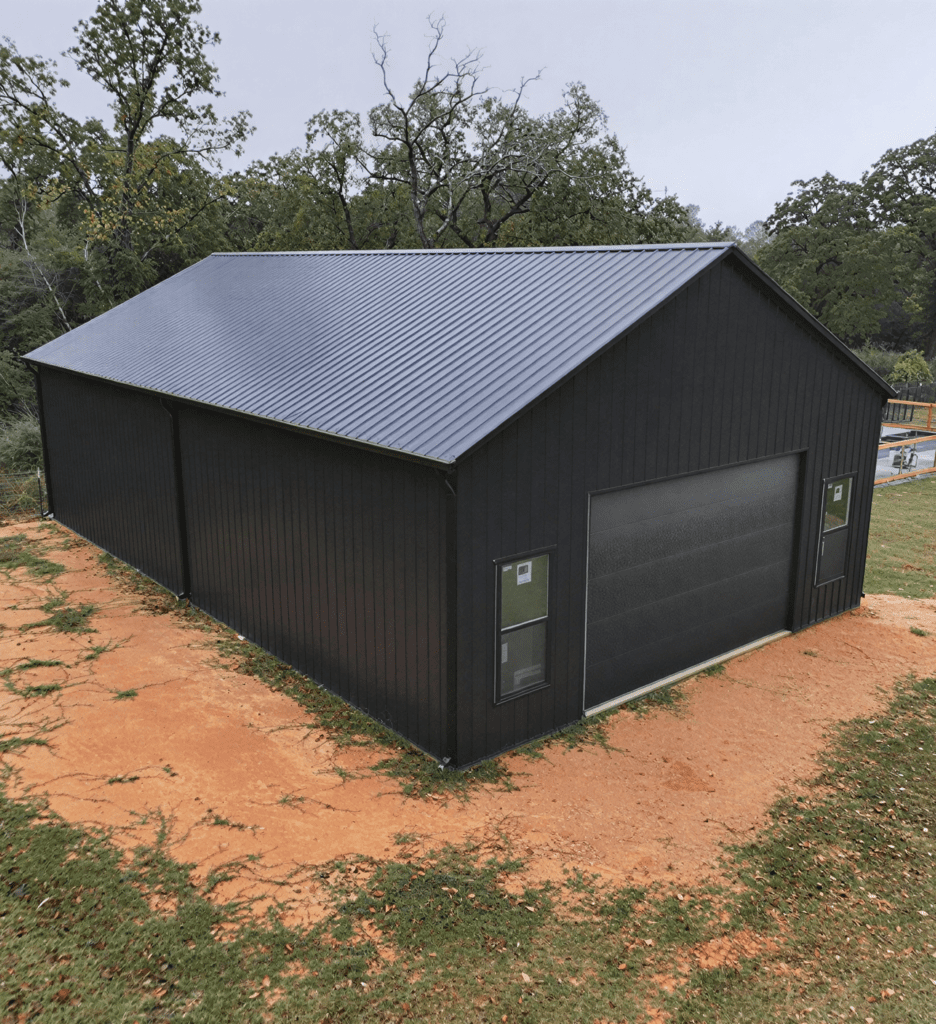
Designing a commercial metal building can create exciting opportunities for businesses across states like Texas, Florida, Georgia, Tennessee, Colorado, Pennsylvania, North Carolina, Arizona, and many others. Metal building systems continue to grow in popularity because they offer durability, flexibility, energy efficiency, and long-term performance in a variety of climates and industries.
Before starting your project, it’s important to carefully plan every stage of the design and construction process. Here are eight important factors to consider when designing a commercial metal building that fits your business goals, property needs, and local environment.
1. Determine the Right Building Size
One of the first steps in designing your commercial metal building is deciding how much space your business needs now and in the future. The size and layout of your building should reflect your operations, customer traffic, storage needs, equipment requirements, and long-term growth plans.
Whether you are planning a warehouse in Tennessee, a retail space in Florida, a workshop in Texas, or a commercial facility in Pennsylvania, choosing the right building dimensions is essential for functionality and efficiency.
2. Choose the Best Location
The location of your commercial metal building can directly impact accessibility, visibility, customer convenience, and operational efficiency. It’s important to select a site that offers easy access to utilities, transportation routes, and surrounding infrastructure.
Climate and regional conditions should also be considered. For example, properties in coastal states like Florida may require additional moisture protection, while buildings in Colorado or New York may need to handle snow loads and colder temperatures.
3. Plan Your Customization Options
Commercial metal buildings offer extensive customization opportunities to match the specific needs of your business. Working closely with your building provider allows you to create a layout that supports productivity, appearance, and future expansion.
Customization options may include:
- Roof styles
- Building dimensions
- Window and door placements
- Color selections
- Interior layouts
- Insulation systems
- Storage or office additions
At Taylor Buildings, we help businesses across the many states we serve create customized metal building solutions tailored to their goals and operations.
4. Consider Climate & Weather Conditions
Weather conditions vary significantly from state to state, making climate considerations an important part of the design process. Commercial buildings in Texas and Arizona may need additional heat resistance and ventilation, while buildings in states like Pennsylvania, New York, and Colorado may require stronger snow-load capabilities and weather protection.
Metal building systems are designed to handle many environmental challenges including:
- High winds
- Heavy rain
- Snow and ice
- Humidity
- UV exposure
- Temperature fluctuations
Choosing the right materials and engineering solutions helps ensure long-term durability and structural performance.
5. Focus on Durability & Maintenance
One major advantage of commercial metal buildings is their low-maintenance nature compared to many traditional building materials. Steel structures are resistant to pests, moisture damage, corrosion, and warping while requiring fewer repairs over time.
Businesses across Georgia, Tennessee, Texas, and surrounding states often choose metal buildings because they provide reliable long-term value with reduced maintenance costs.
6. Prioritize Fire Safety & Building Protection
Safety should always be a priority when designing a commercial structure. Metal and steel building systems are known for their fire-resistant properties, helping improve overall building protection and safety.
It’s also important to ensure your project complies with all local building codes, fire regulations, and permitting requirements within your state or municipality.
7. Think About Community & Property Appearance
Your commercial building should complement the surrounding community while reflecting your brand and business goals. Modern metal building systems can be designed to create attractive, professional-looking properties that fit a wide range of industries and environments.
From commercial developments in Florida to industrial properties in Oklahoma or retail centers in North Carolina, thoughtful design choices can improve curb appeal and create a positive impression on customers and the local community.
8. Plan for Efficient Project Management
A successful commercial building project depends on proper planning, scheduling, and communication throughout the construction process. Creating realistic timelines for permitting, site preparation, material delivery, and installation helps reduce delays and unexpected costs.
Project planning becomes even more important when working across regions with varying weather patterns, permitting requirements, and construction schedules.
Final Thoughts
Commercial metal buildings continue shaping the future of modern construction because of their strength, efficiency, flexibility, and long-term durability. Businesses across Texas, Florida, Tennessee, Colorado, Pennsylvania, Georgia, Arizona, and many other states are choosing metal building systems for commercial, industrial, retail, and storage applications.
By carefully planning your project and considering important design factors, you can create a commercial metal building that supports your business goals while delivering long-term value and performance.
Taylor Buildings proudly provides customized metal building solutions across multiple states. Contact our team today to learn more about designing the right commercial metal building for your business.